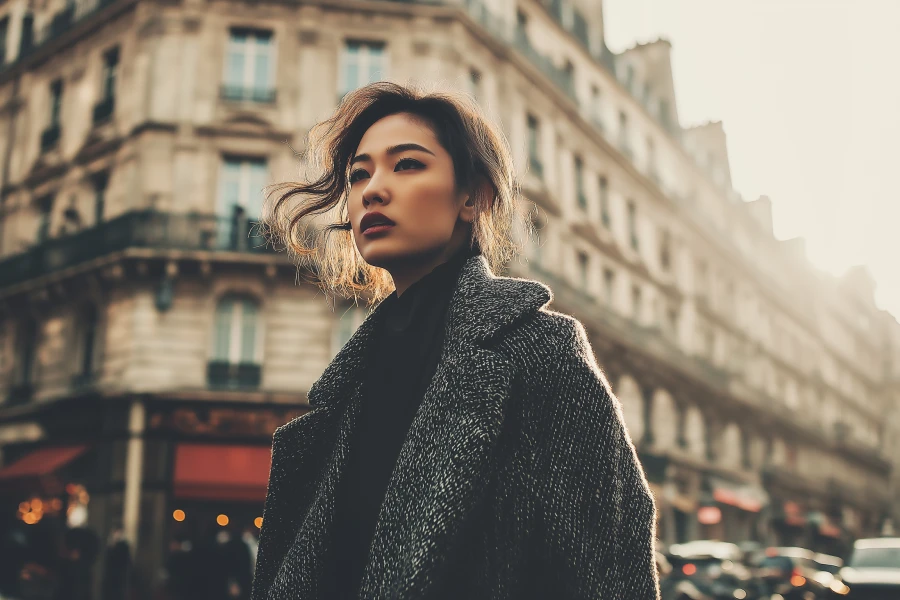
Outfit texture styling can make a simple outfit look richer before you add bold color or expensive accessories. Texture gives clothing movement. It helps soft pieces feel more intentional. It makes neutral outfits look dimensional instead of flat. The Texture That Talks: A Style Guide on How to Make Outfit Textures Pop teaches you how to use fabric contrast, layering, and visual balance with more confidence. A texture mixing guide helps you understand why some combinations feel polished. A layered outfit strategy also helps your closet work harder. You do not need a new wardrobe. You need better contrast. You need smarter combinations.
Texture affects the way an outfit reads from a distance and up close. A cotton shirt with denim can feel casual. The same shirt with satin, suede, or ribbed knit can feel more styled. Smooth fabrics reflect light. Matte fabrics absorb it. Structured fabrics hold shape. Soft fabrics create movement. Outfit Texture Styling helps you use those differences on purpose. A visual balance fashion approach keeps the outfit from looking busy. A fabric layering ebook can also make styling feel more structured. For contrast-focused outfit planning, explore fabric pairing ideas. Once you notice texture, flat outfits become easier to fix.
The easiest way to start is with two textures at a time. Pair smooth with chunky. Pair crisp with soft. Pair matte with subtle shine. Try denim with silk, ribbed knit with leather, linen with polished cotton, or wool with satin. A fabric contrast styling habit helps your outfits feel thoughtful without looking forced. A modern style layering method also gives simple pieces more character. Keep the color palette controlled while learning. Neutrals are especially useful because texture becomes easier to see. Add one statement texture first. Then let the rest of the outfit support it.
Neutral outfits often depend on texture more than color. Beige, black, gray, white, and brown can look elegant or unfinished depending on the fabrics involved. A black knit top with black tailored trousers feels more intentional than two flat cotton pieces together. Cream denim with a soft cardigan can feel casual but styled. A suede shoe can add warmth without changing the palette. Outfit Texture Styling gives neutral looks visual depth. A wardrobe texture tips system helps you repeat these choices. A polished outfit formula also prevents neutral outfits from looking too plain. The goal is quiet richness. Texture makes that possible.
Accessories are often the safest place to experiment. A woven bag can make tailored basics feel warmer. A patent shoe can brighten matte clothing. A suede belt can soften structured denim. A ribbed scarf can make a coat feel more layered. The Texture That Talks: A Style Guide on How to Make Outfit Textures Pop explains how these details influence the full outfit. A statement fabric detail can make basic clothing look styled. A clothing texture ideas approach also makes accessories feel more useful. For a full styling framework, visit texture-first wardrobe planning. Small details can shift the whole mood.
Too much texture can make an outfit look confusing. Five competing fabrics can overwhelm the eye. Extremely shiny pieces can fight with heavy knits. Rough textures can look bulky if every layer has weight. Outfit Texture Styling works best when contrast has a clear purpose. Choose one primary texture and one supporting texture. Keep the third element quieter. A outfit depth guide helps you decide where emphasis belongs. A style contrast system can also prevent random layering. Look in a full-length mirror before leaving. If every piece demands attention, simplify one element. Strong texture needs breathing room.
A better styling system starts with your existing closet. Pull out the fabrics you wear most. Sort them by smooth, soft, structured, shiny, rough, ribbed, woven, and sheer. Then build outfits that mix two categories at a time. The Texture That Talks: A Style Guide on How to Make Outfit Textures Pop gives you a practical way to turn that awareness into better outfits. Outfit texture styling becomes easier when you stop guessing. You learn why one outfit feels flat and another feels expensive. You also learn how to make ordinary pieces feel more expressive. Start with contrast. Add balance. Let texture make your style more memorable.

Leave a comment