
A fashion texture guide helps you understand why some outfits feel complete while others feel unfinished. The difference is often not the price of the clothes. It is the mix of surfaces, weights, and finishes. Texture gives an outfit personality before color does. It makes simple pieces feel layered, expressive, and styled. The Texture That Talks: A Style Guide on How to Make Outfit Textures Pop gives you a practical way to use those details. A texture mixing guide helps you avoid flat styling. A layered outfit strategy makes your wardrobe feel more flexible. Once you understand texture, outfit building becomes more creative and less confusing.
Style improves when you can explain what feels wrong. A plain outfit may need contrast. A heavy outfit may need lightness. A shiny outfit may need matte texture. A soft outfit may need structure. A Fashion Texture Guide gives names to those instincts. It helps you stop guessing and start adjusting. A visual balance fashion approach makes each piece serve a purpose. A fabric layering ebook also gives you a repeatable framework. For outfit-depth ideas, explore texture styling techniques. Good texture choices make clothes feel more expensive, even when the outfit is simple.
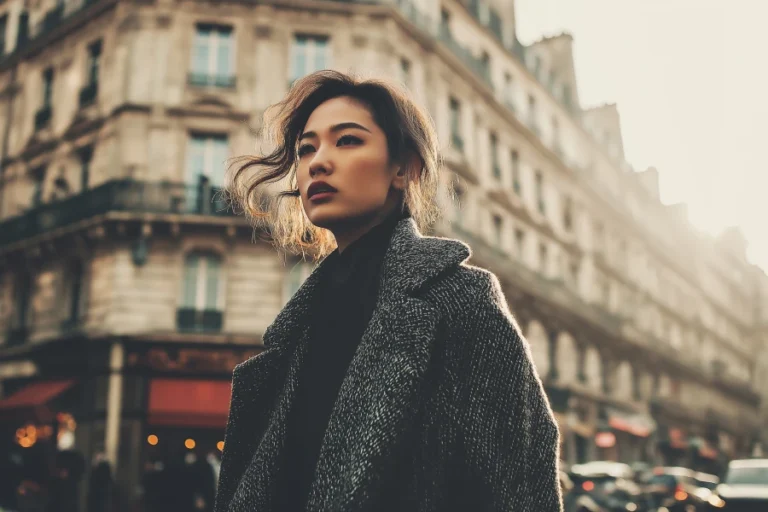
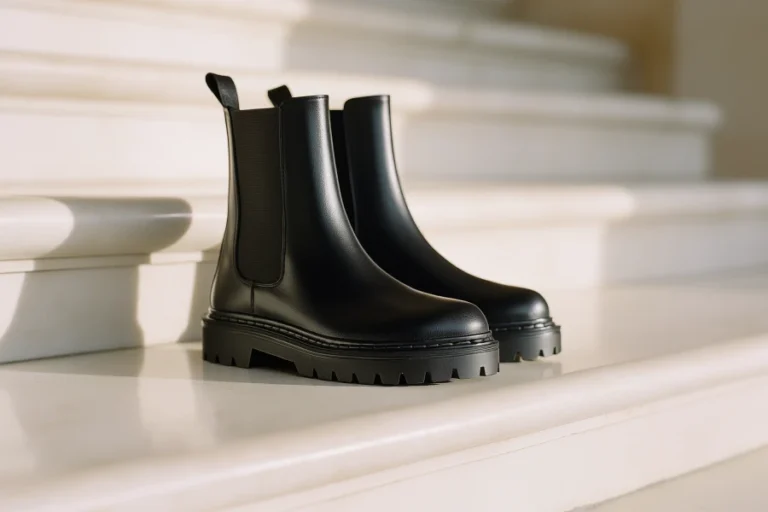
Fabric weight affects how an outfit sits on the body. Heavy fabrics create structure and presence. Light fabrics create movement and softness. Finish affects how the outfit catches light. Satin, leather, and patent details reflect light. Cotton, suede, wool, and linen absorb it. A fabric contrast styling mindset helps you combine those qualities with intention. A modern style layering method also helps with seasonal dressing. A summer outfit might need crisp linen and smooth sandals. A winter look might need wool, leather, and ribbed knit. Weight and finish create mood before accessories appear.
Balanced outfits usually include contrast and calm. Choose one dominant texture first. Then choose a supporting texture that gives it context. Add a quiet base if the outfit needs grounding. A chunky sweater can work with a satin skirt because the surfaces feel different. Leather trousers can work with a soft knit because one piece feels strong and the other feels relaxed. A Fashion Texture Guide helps you make these choices on purpose. A wardrobe texture tips system prevents overload. A polished outfit formula keeps styling realistic. You want interest, not chaos. Texture should guide the eye, not scatter it.
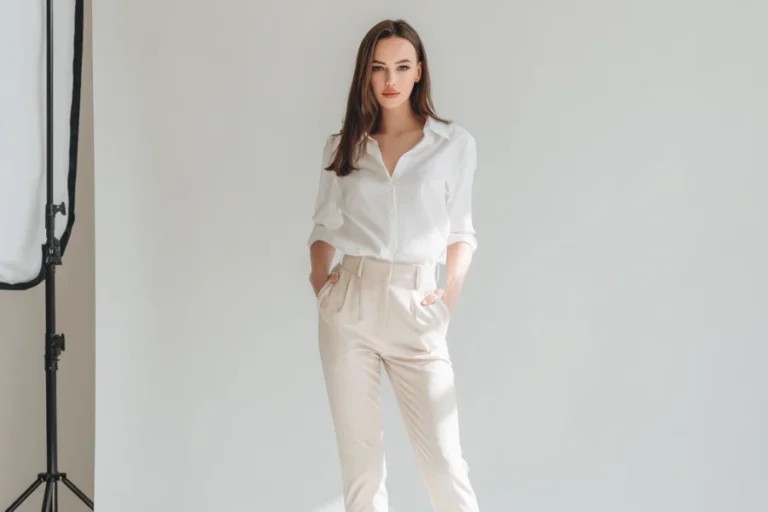
Everyday formulas become stronger when texture does some of the work. Try a ribbed tank with tailored trousers and suede flats. Pair denim with a silky blouse and a woven bag. Wear a soft cardigan with crisp cotton and polished leather. Add a matte coat over a subtle-shine dress. The Texture That Talks: A Style Guide on How to Make Outfit Textures Pop helps you turn these ideas into repeatable style habits. A statement fabric detail can upgrade even casual outfits. A clothing texture ideas approach makes basics feel fresh. For contrast-centered inspiration, visit fabric pairing guidance. Small texture shifts can transform familiar clothes.
The most common mistake is adding texture without editing. A fringed jacket, ribbed top, shiny skirt, woven bag, and textured shoe can all compete at once. Another mistake is using only soft pieces, which can make the outfit look shapeless. A third mistake is ignoring fabric weight. Heavy layers can shorten the body visually if proportions are not balanced. A Fashion Texture Guide helps you notice those problems faster. A outfit depth guide keeps texture focused. A style contrast system also teaches restraint. If the outfit feels too busy, remove one loud texture. If it feels flat, add one stronger surface.
A texture-first wardrobe system helps you shop and style more intentionally. Look at your closet by fabric category instead of item type. Notice whether you own too many flat cotton pieces. Notice whether your outfits lack soft texture, shine, structure, or movement. Then add only what fills a real gap. The Texture That Talks: A Style Guide on How to Make Outfit Textures Pop gives you a practical framework for that process. A fashion texture guide is valuable because it makes style more visual and more strategic. You learn how pieces interact. You build richer outfits with fewer items. You choose texture with purpose. That is how everyday dressing starts to feel more polished, expressive, and personal.

Leave a comment